


The portfolio problem: beautiful sites that rank for nothing
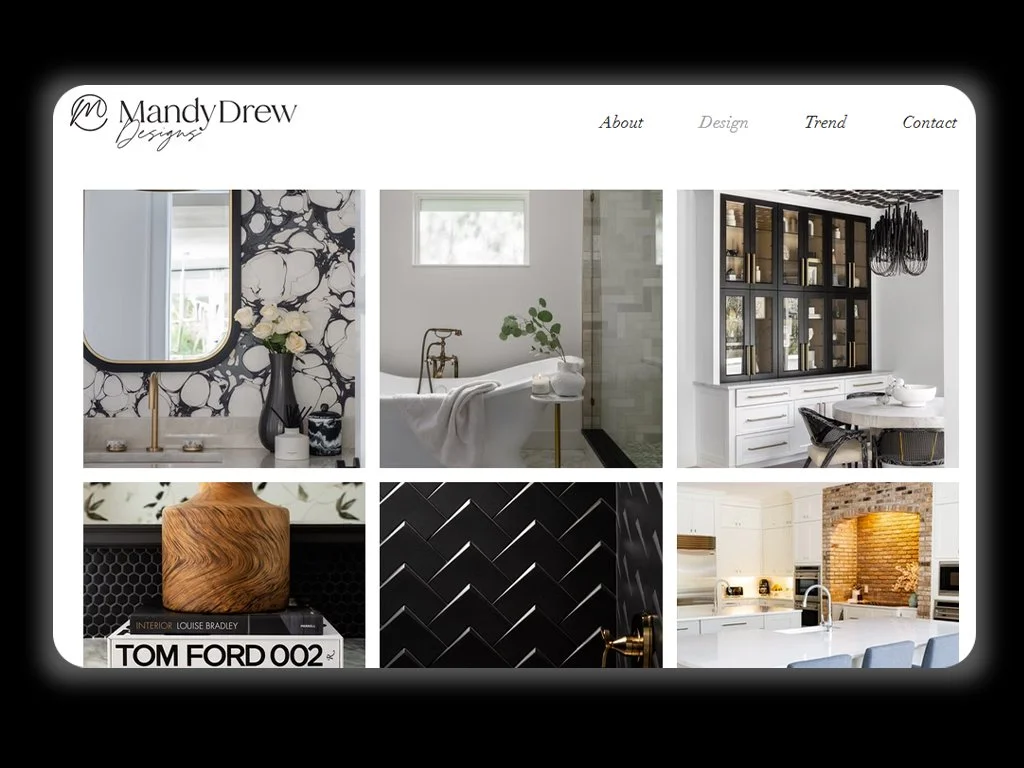
Architecture firms build the most visually refined websites of any profession and some of the least visible, because a portfolio of full-bleed images gives a search engine almost nothing to read. Images do not rank; the words around them do. SEO for architects starts with the uncomfortable admission that a gallery is not content — it is evidence waiting for an argument.
The fix is not less beauty, it is writing. Every project needs a written story: the brief, the site constraints, the design response, the materials, the approval process, the outcome. Those words are what let a project page rank for the project type it represents, and they are what a prospective client actually reads when deciding whether the firm has solved their problem before.
Project type plus place is how clients search
Nobody with a project searches for architecture firm. They search custom home architect in their county, restaurant renovation architect, ADU designer, historic renovation specialist, commercial architect for a medical office. Each pairing of project type and location is a distinct search, and a firm's site should give each one it wants a page — anchored by the built work that proves it.
This also solves the geography question honestly. Architects work where projects are, often across several jurisdictions, and a page per market served — with the projects completed there and the permitting bodies navigated — earns those searches without pretending the firm has offices it does not.
Residential and commercial clients search nothing alike
A homeowner researching a custom build or major renovation searches emotionally and educationally: cost per square foot, how long design takes, architect versus design-build, what the process even is. A commercial client — developer, franchisee, facilities director — searches procedurally: sector experience, delivery method, code and entitlement familiarity, references at scale.
Firms serving both should write to both, separately. The residential side rewards process and cost transparency; the commercial side rewards sector depth and evidence of navigating approvals. A single About-our-process page aimed at everyone reaches neither.
Cost and process content wins the searches firms avoid
How much does an architect cost, what are architect fees as a percentage of construction, do I need an architect for a remodel — these searches carry enormous intent and are answered almost exclusively by directories and lead platforms, because firms consider fees a conversation, not a page. That silence is the opportunity.
Publishing honest ranges and fee structures, with the caveats real projects deserve, does two things: it ranks in a near-empty field, and it prequalifies inquiries so the consultations that do come are with clients whose budgets fit the work. The firms that fear this content are protecting a mystery their best clients never wanted.
The long cycle is the reason to start, not the reason to wait
Architecture is hired rarely and researched extensively — months of quiet reading before a first email. Search visibility compounds along exactly that timeline: the condition-of-the-market pages, project stories, and process explanations published this year are what a 2028 client finds at the start of their research.
Referrals will always matter in this profession. Search is what removes their ceiling — reaching the client whose dinner-party network does not happen to include your past clients, which is most of the market.
The technical basics most architecture firm sites miss
SEO for an architecture firm usually starts with fixing the basics. Portfolio sites are often built for looks, not for search engines: missing title tags and meta descriptions, huge images, and project pages with almost no text. Setting up Google Search Console and Google Analytics shows which searches already bring visitors and which pages are failing. Keyword research then shows how clients describe the projects they want. With a complete Google Business Profile and those fixes in place, the portfolio finally has a chance to rank.